
About the practice
A Reading desktop software practice, built around repair work
Ashgrove Imports Limited is a desktop application development studio at 8 Mill Lane, Calcot, in Reading. We build native Windows and macOS software for organisations that run it on their own machines — and we spend most of our time on software that already exists and has to keep working.
- Studio
- Calcot, Reading
- Focus
- Windows · macOS · cross-platform
- Enquiries
- Answered by the person who would do the work
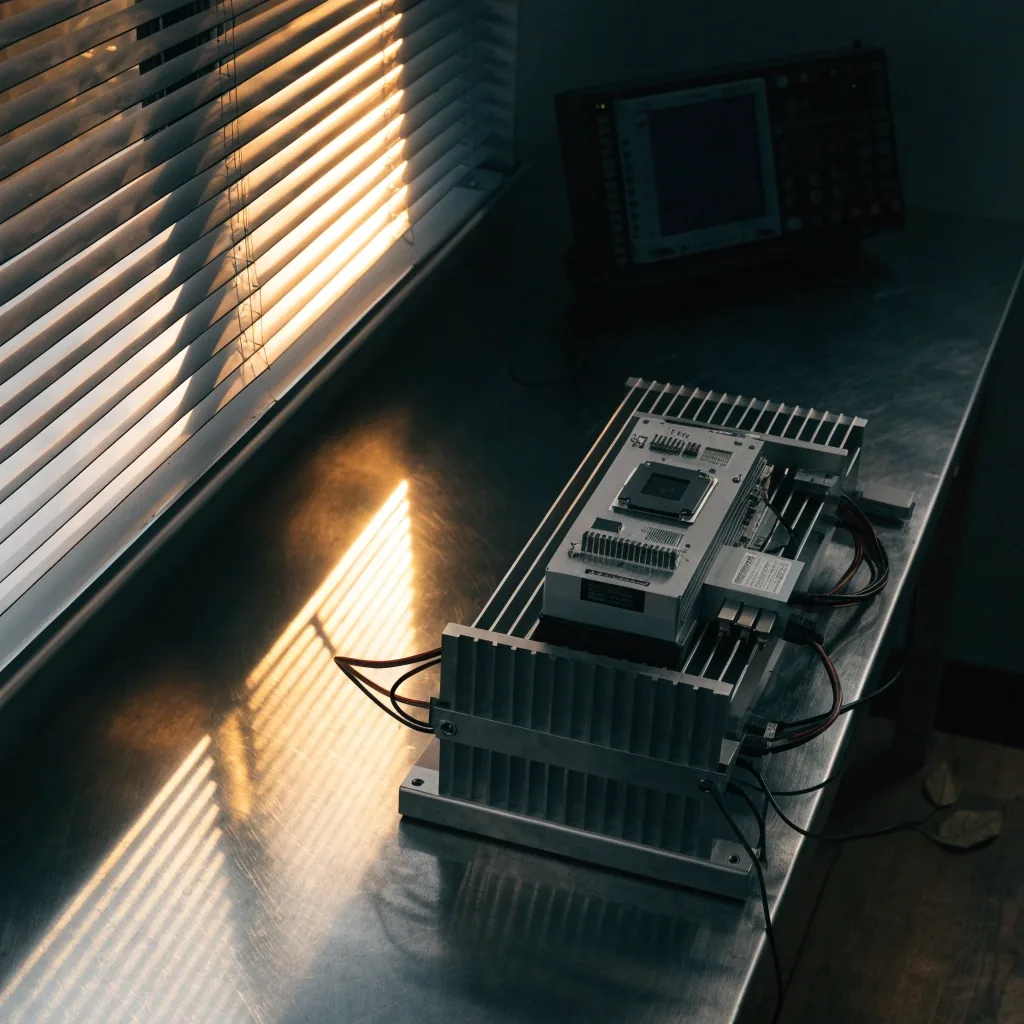
How the practice started
The studio grew out of maintenance work rather than greenfield projects. Taking on systems other people had built, understanding them well enough to change them safely, keeping them running well past their expected lifespan. That background shapes how we approach new builds, because we have watched what happens to software nobody planned to maintain.
It is also where the bias in our work comes from. We are more interested in the parts of a desktop application that decide whether it survives than in the parts that photograph well — installer paths, update mechanics, the way a failure surfaces to the person in front of it, whether the code is legible to a second author years later.
Reading and the surrounding corridor sit at the edge of that work: estates, distribution operations and internal tools that have already outlived two owners.
Where we work from
Why we are in Reading
Ashgrove Imports Limited, 8 Mill Lane, Calcot, Reading — a working address, not a virtual one.
Reading sits in a corridor of industrial and commercial estates, distribution operations and technology offices, with a large population of internal business software that has been running for years. It is a practical place for a practice that spends its time on workstation tools and operational systems.
We work with clients across the UK and we are happy to do that remotely. For the sessions that go badly over video — sitting with the people who actually use the software, watching what they do when it stalls — Reading and the surrounding area is close enough to make the trip worthwhile.
Local
Reading, Calcot and the Thames Valley estates within a short drive.
Remote
Sessions over video work for most of the UK; travel arranged where it helps.
Hours
Monday to Friday, 9:00 AM – 6:00 PM.
What we believe about desktop software
None of it is glamorous, and all of it is what people mean when they say the software is good.
A desktop application runs on somebody's machine, unattended, for years. The beliefs below are the ones we keep coming back to when we are choosing a framework, naming a file, or writing a line that will be read by nobody in this studio.
-
Predictable
It behaves on the machine it was installed on.
No surprise dependencies, no silent background rewrite of state the user did not ask for, no divergence between the workstation it was tested on and the workstation it lands on.
-
Legible
It fails in a way that tells the person something useful.
A message the user can act on, a log the next engineer can follow, a clear statement of what changed. "Something went wrong" is not a message; it is a shrug made of pixels.
-
Quiet
It installs and updates without a support call.
The installer is part of the product, not the afterthought. Signing, packaging, rollout and rollback are designed at the same table as the feature work.
-
Handed on
It can be worked on by someone other than its original author.
Readable code, a build that reproduces on a clean machine, notes that survive the person who wrote them. The measure of a desktop codebase is how it looks after a handover, not during it.
What we are not
If a project is better served by a different kind of supplier, we will say so. That has happened, and it has not cost us anything worth keeping.
We build desktop first. The web work we do exists because a desktop tool needs a download page, a licence portal or a release log — not the other way around.
We do not take on iOS or Android application projects. If the requirement is genuinely a phone app, we will point you at people who do that well.
We do not resell something that already exists with your logo on it. What you get is code we wrote, that we are prepared to maintain, and that we can explain line by line.
We do not build on a stack we would refuse to take a maintenance contract on in five years. If a choice looks convenient now but painful later, we will say so before the first commit.
Direct
Working relationships
We work directly with the people who own the software, without an account management layer. Enquiries come in by email and are answered by the person who would do the work. Projects are usually small enough that this remains possible.
That also means we take on a limited amount at a time. If we cannot start when you need us to, we will tell you rather than take the work and staff it later. A studio of our size cannot quietly absorb a project that is the wrong shape, and pretending otherwise would cost both sides.
How to start
A few sentences describing the problem are enough. If you have an existing system, telling us what it is built in and what is wrong with it saves a round of questions.
Where to send it
Email [email protected], or use the contact page. Answered Monday to Friday, 9:00 AM – 6:00 PM, by the person who would do the work.
How we keep our own skills current
Desktop development moves more slowly than web development and more consequentially. Being a version behind is usually fine. Being a decade behind is not.
Microsoft's guidance on the Windows App SDK and WinUI 3 is a case in point. It changed the recommended target for new Windows work, and existing codebases now have a decision to make that did not exist a few years ago. We follow that guidance because our clients' software has to remain supported, not because it is fashionable.
The same discipline applies to packaging, deployment and the tooling around release engineering — the parts of a product that are invisible until they break.
Four things we keep watching
-
Windows App SDK and WinUI 3
The recommended target for new Windows work, and what that means for existing codebases.
-
WPF and WinForms maintenance
What (if anything) still needs to change in estates that will not be rewritten.
-
Packaging and signing
MSIX, ClickOnce and code signing — how software reaches a managed desktop without a support call.
-
Cross-platform targets
Where Electron and Apple's macOS tooling sit for products that must run natively on both desks.
Getting in touch
The contact page carries our address, email and the hours we are normally available. Describing the problem in a few sentences is enough to start. If you have an existing system, telling us what it is built in and what is wrong with it saves a round of questions.
We will reply from [email protected], Monday to Friday, 9:00 AM – 6:00 PM, and tell you plainly whether the work is a fit for the studio.
Next step
Send a short description of your desktop project, and we will reply with a straight answer.
Ashgrove Imports Limited
8 Mill Lane, Calcot, Reading, England
+44 118 478 4187